🤔 What are microplastics?
Microplastics are very tiny pieces of plastic—smaller than a grain of rice 🌾.
They come from bigger plastic items like bottles, bags, and toys that break into smaller pieces over time.
Some microplastics also come from:
- 👕 Clothes made of plastic fibers (like polyester)
- 🧴 Old cosmetics with tiny plastic beads
- 🚗 Car tires wearing down on roads
Plastic does not disappear—it just breaks into tiny pieces.
🌊 Where are microplastics found?
Microplastics are almost everywhere:
- In oceans, rivers, and lakes 🌊
- In the air we breathe 🌬️
- In food like fish and salt 🍽️
- In drinking water 🚰
Scientists have even found microplastics inside people’s bodies.
🧍 How do microplastics affect people?
Microplastics can enter our bodies when we:
- Eat food 🍕
- Drink water 🥛
- Breathe air 😮💨
Scientists are still learning, but microplastics may:
- Irritate our bodies
- Confuse hormones (body messengers)
- Make it harder for our bodies to stay healthy
Kids are more sensitive because their bodies are still growing.
🐟 How do they affect animals?
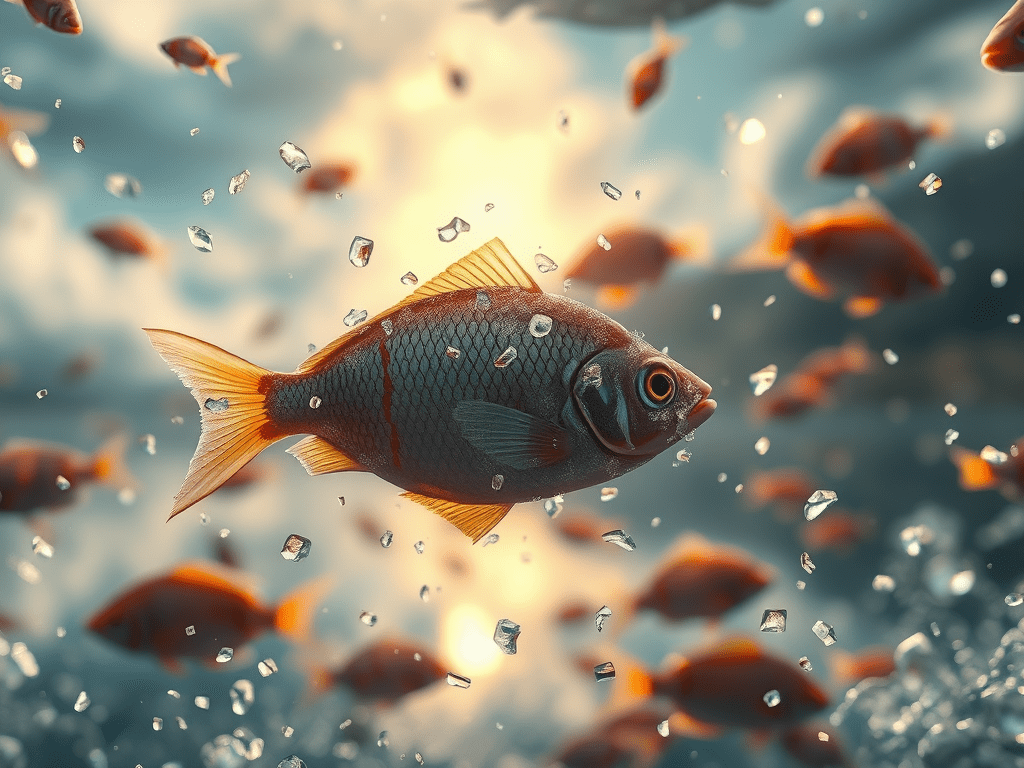
- Fish and birds sometimes eat microplastics by mistake
- Plastic fills their stomachs, so they feel full but get no nutrition
- Harmful chemicals on plastic can make animals sick
When humans eat fish, microplastics can move back to us.
🌱 How do they affect Earth?
- Microplastics mix with soil and affect plants 🌾
- Tiny soil animals get harmed
- They are found in rain, snow, and even on high mountains 🏔️
This shows plastic pollution spreads everywhere.
🛡️ What can kids do to help?
Even kids can make a big difference 💪:
- ♻️ Use reusable water bottles and lunch boxes
- 🛍️ Say no to plastic bags
- 🚯 Never litter
- 👕 Wear natural clothes like cotton when possible
- 🗣️ Tell family and friends about plastic pollution
🌟 Fun Fact
Some scientists say humans eat a credit-card-sized amount of plastic each week 😲
(That’s why reducing plastic is important!)
💭 Think About This
Plastic is useful, but too much plastic hurts our planet.
 Beyond Science
Leave a comment