
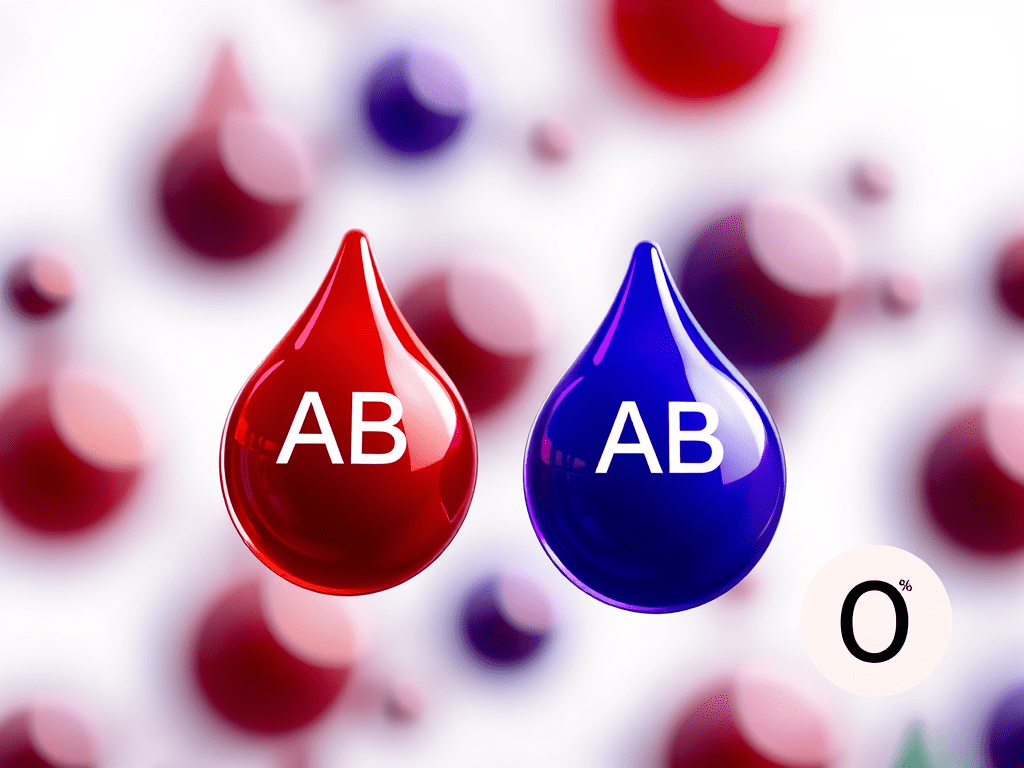
🩸 Human Blood Groups – Simple Explanation
Our blood is not all the same. People have different blood groups, like different teams!
Doctors need to know your blood group to give safe blood during an operation or emergency.
🧪 Main Blood Groups (ABO System)
There are 4 main blood groups:
🔴 1. Blood Group A
- Has A markers on red blood cells
- Can receive blood from A and O
🔵 2. Blood Group B
- Has B markers
- Can receive blood from B and O
🟣 3. Blood Group AB
- Has A and B markers
- Can receive blood from all groups
- 👉 Called the Universal Receiver
🟢 4. Blood Group O
- Has no markers
- Can donate blood to everyone
- 👉 Called the Universal Donor
➕➖ Positive & Negative (Rh Factor)
Each blood group can be Positive (+) or Negative (−)
- Positive (+) → Has Rh factor
- Negative (−) → No Rh factor
Example:
- A+, A−
- O+, O−
🌍 Most Common Blood Group
⭐ O Positive (O+)
- Most common blood group in the world
- Many people have it
- Very useful for blood donation
💎 Rare Blood Groups
🔹 AB Negative (AB−)
- One of the rarest blood groups
- Hard to find in emergencies
🔹 O Negative (O−)
- Rare but very important
- Can be given to anyone
- Used in emergencies when blood group is unknown
🧠 Fun Facts for Kids
- 🩸 Blood type is decided by parents
- 🏥 Doctors always check blood group before transfusion
- ❤️ One blood donation can save up to 3 lives
🧒 Simple Summary
| Blood Group | Special Thing |
|---|---|
| O− | Universal donor |
| AB+ | Universal receiver |
| O+ | Most common |
| AB− | Very rare |
 Beyond Science
Leave a comment