Category: Science
-

What Makes Up the Human Body? A Simple Guide
🧍♂️ What Is the Human Body Made Of? 🧬 1️⃣ Tiny building blocks: Cells The human body is made of trillions of tiny cells Cells are like LEGO blocks 🧱 Different cells do different jobs Examples: Muscle cells 💪 Nerve cells 🧠 Blood cells 🩸 🧫 2️⃣ What are cells…
-
Why Fire Doesn’t Cast a Shadow: Explained for Kids
🔥 Why Doesn’t Fire Have a Shadow? 🌑 What makes a shadow? A shadow is made when: Light hits an object The object blocks the light 👉 Solid objects like a ball or a book make shadows. 🔥 What is fire made of? Fire is not solid.It is made of:…
-

The Revolutionary Impact of X-Rays on Medicine
🩻 Invention of X-Rays & How They Changed Medicine 🔍 Who discovered X-rays? Wilhelm Conrad Röntgen discovered X-rays in 1895 He was a German scientist 👨🔬 👉 He noticed a mysterious ray that could pass through objects and show images of bones! 😲 How did he discover it? Röntgen was…
-

Understanding Carbon Dating: A Simple Guide
🕰️ What Is Carbon Dating? 🌿 What is carbon dating? Carbon dating is a way scientists find out how old something is — like: Bones 🦴 Wood 🌳 Cloth 👕 Ancient tools 🗿 👉 It works only on things that were once alive. ⚛️ What is carbon? Carbon is an…
-

Understanding How Vaccines Strengthen Immunity
💉 How Do Vaccines Work? 🛡️ What is a vaccine? A vaccine is a medicine that trains your body to fight germs (like viruses or bacteria) without making you sick. Think of it as a practice lesson for your immune system 🧠💪 🦠 What are germs? Germs are tiny living…
-

Understanding Gravity: Feather vs. Ball in a Vacuum
🪶⚽ Why do a feather and a ball fall at the same time in a vacuum? 🤔 What usually happens? On Earth: A ball falls fast A feather falls slowly So we think:👉 “Heavy things fall faster than light things” But that’s not the real reason. 🌬️ The real reason:…
-
Planck Length Explained: Its Significance in Physics
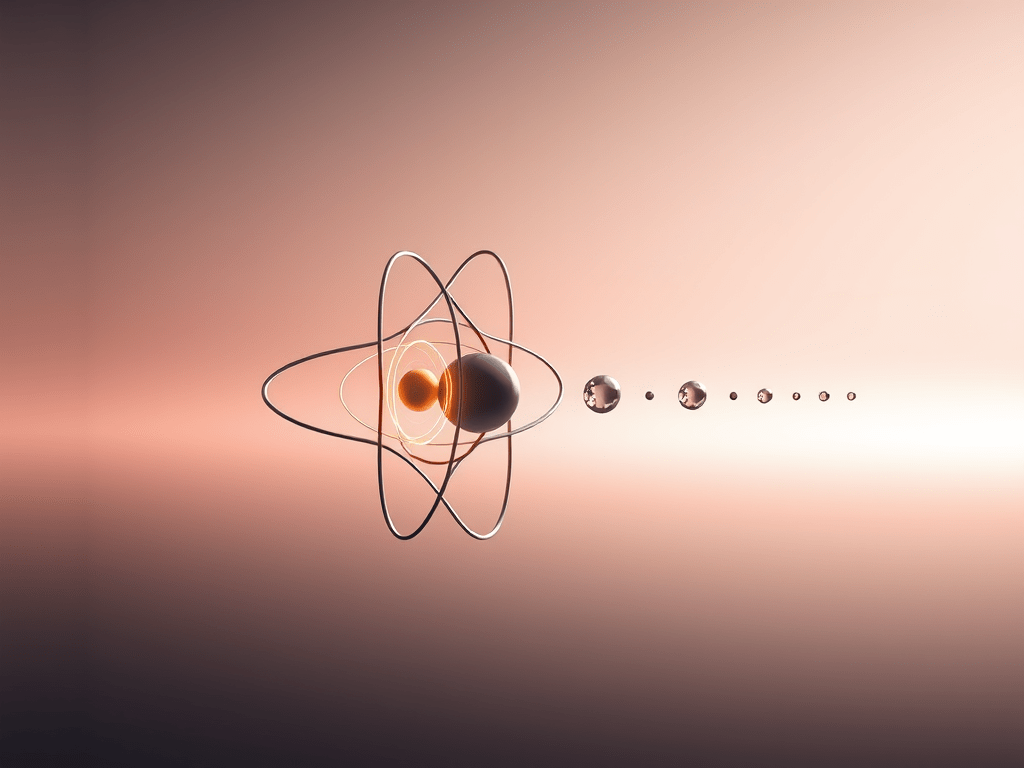
📏 What Is the Planck Length? 🤔 What is Planck length? The Planck length is the smallest length scientists can talk about in physics. It is super, super tiny Much smaller than an atom ⚛️ Even smaller than parts inside an atom 🧠 It’s like the smallest “pixel” of space!…
-
Understanding Blood Groups: A Simple Guide
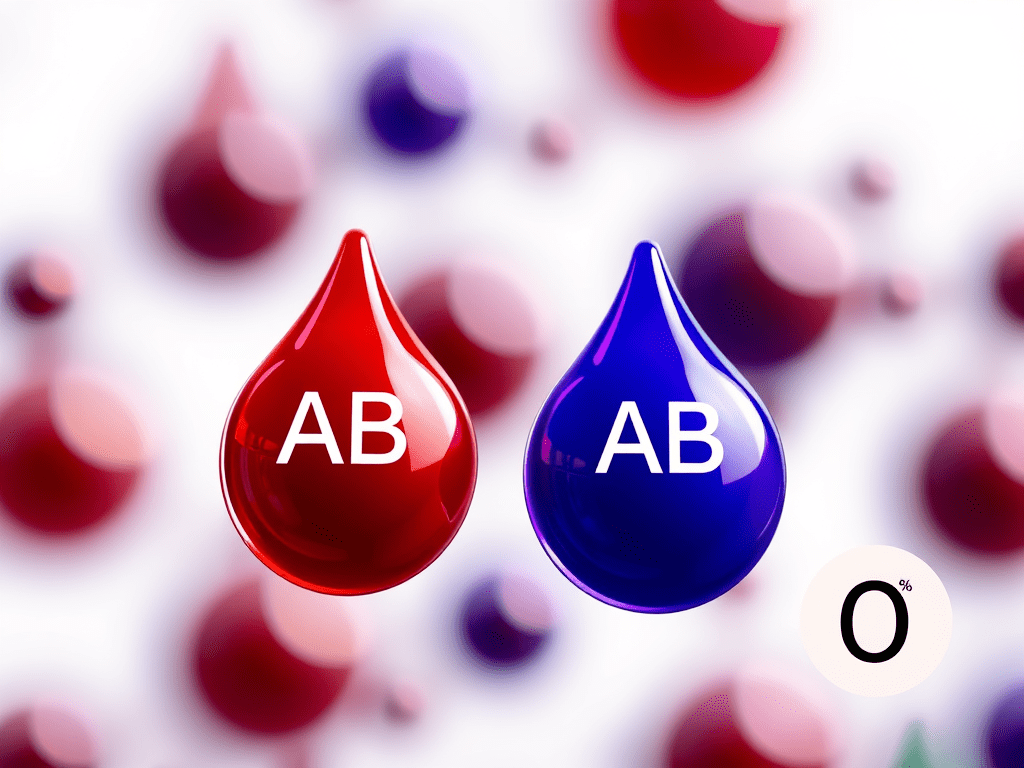
🩸 Human Blood Groups – Simple Explanation Our blood is not all the same. People have different blood groups, like different teams! Doctors need to know your blood group to give safe blood during an operation or emergency. 🧪 Main Blood Groups (ABO System) There are 4 main blood groups:…
-

Understanding DNA: The Blueprint of Life
🧬 What Is DNA? 🧠 What is DNA? DNA is like an instruction book inside your body. It tells your body how to grow Eye color 👀 Hair type 💇 Height 📏 Every living thing has DNA! 📍 Where is DNA found? DNA is inside almost every cell in your…
-

Understanding the Science Behind the Drinking Duck Toy
🦆 The “Drinking Duck” – A Fun Science Toy 🤔 What is a drinking duck? The drinking duck is a fun toy that looks like a duck that keeps bending down to drink water again and again. But guess what?👉 It’s not alive — it works using science! 🔁 What…
-

Hydrogen: The Most Common Element in the Universe
⚛️ Hydrogen – The First Element in the Periodic Table 🔢 What is Hydrogen? Hydrogen is the first element in the periodic table. It has the symbol H. It is the lightest and simplest element. 🧠 Hydrogen has: 1 proton 1 electron (Usually no neutron) 🌌 Why is Hydrogen special?…
-

Top 5 Renewable Resources and Their Benefits
♻️ What is a Renewable Resource? A renewable resource is something we get from nature that does not run out easily. 👉 It can be used again and again because nature replaces it quickly. 🌞 Examples of Renewable Resources 1️⃣ Sunlight (Solar Energy) ☀️ Comes from the Sun Used to…

