
Category: Nature
-
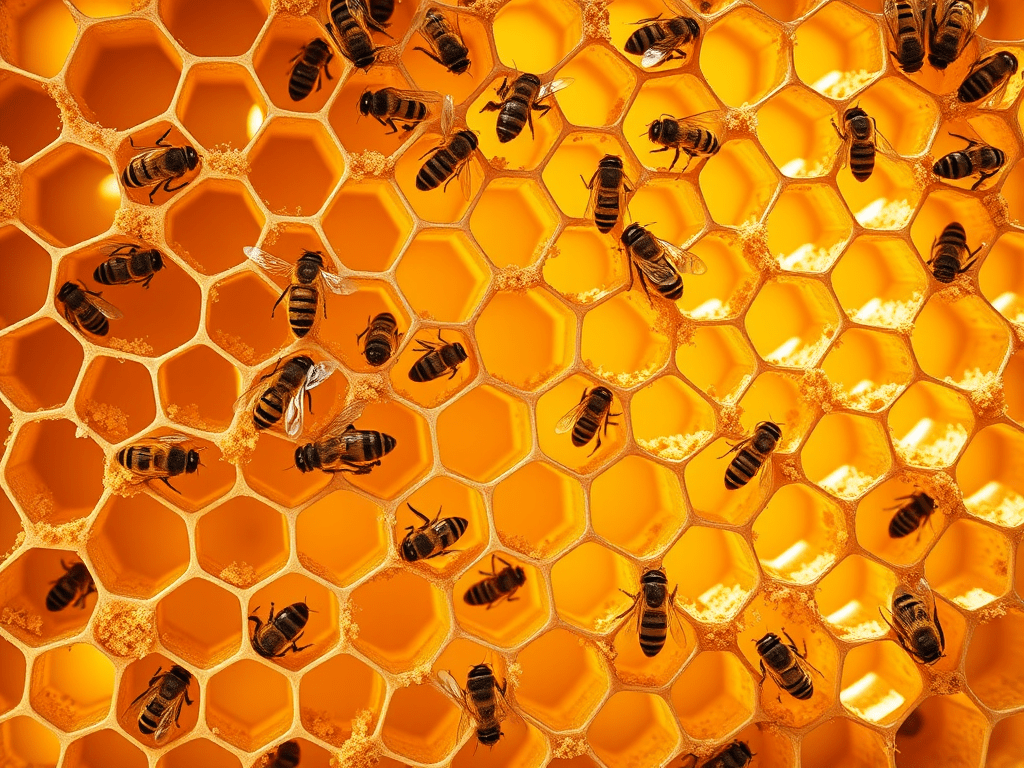
The Science of Honeycomb Hexagons: Nature’s Efficient Design
🍯 Honeycomb Hexagon Science Why hexagons are so strong and efficient 🐝 What is a honeycomb? A honeycomb is the structure bees build to: Store honey 🍯 Store pollen 🌼 Grow baby bees 🐝 Each small room is shaped like a hexagon (6 sides). 🔷 Why hexagon shape? 1️⃣ Uses…
-
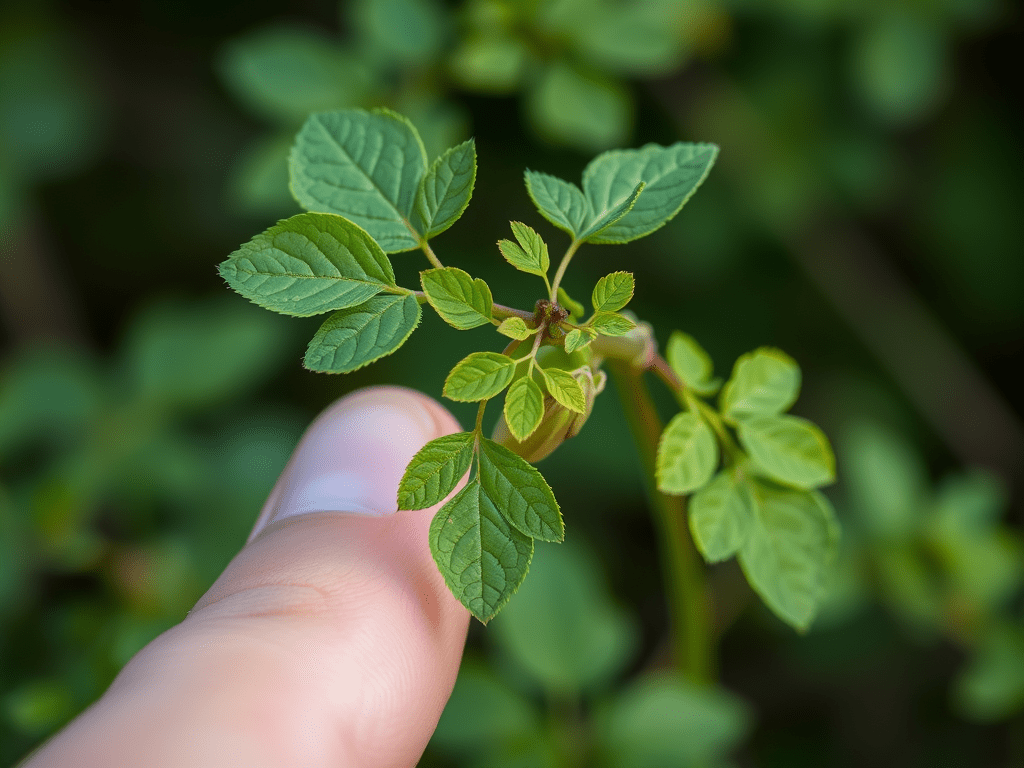
Discover the Fascinating Touch-Me-Not Plant
🌿👉 Touch-Me-Not Plant (Mimosa pudica) – The Science Behind It 🤔 What is the Touch-Me-Not plant? The Touch-Me-Not plant is a small plant whose leaves close and droop when you touch them. Its science name is Mimosa pudica. 👀 What happens when you touch it? The leaves fold inward The…
-
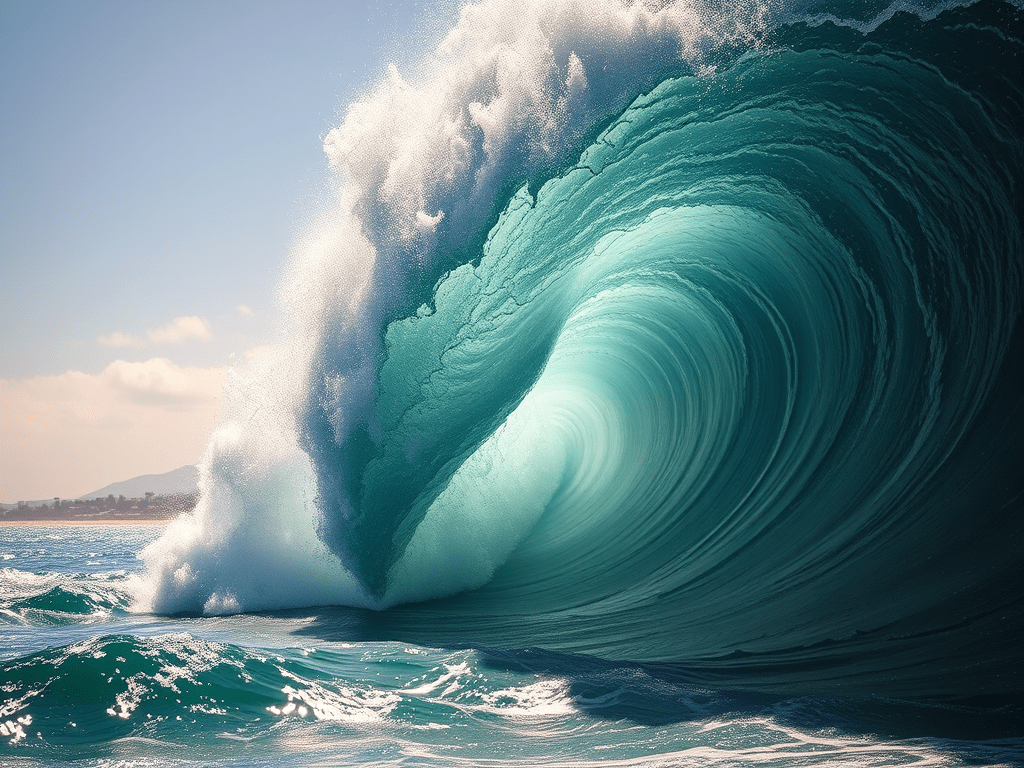
Understanding Tsunamis: Causes and Effects
🤔 What is a tsunami? A tsunami is a series of very large ocean waves caused by a sudden movement under the sea. 👉 It is not a normal wave made by wind. ⚡ What causes a tsunami? Most tsunamis are caused by: 🌍 Underwater earthquakes 🌋 Volcanic eruptions 🪨…
-
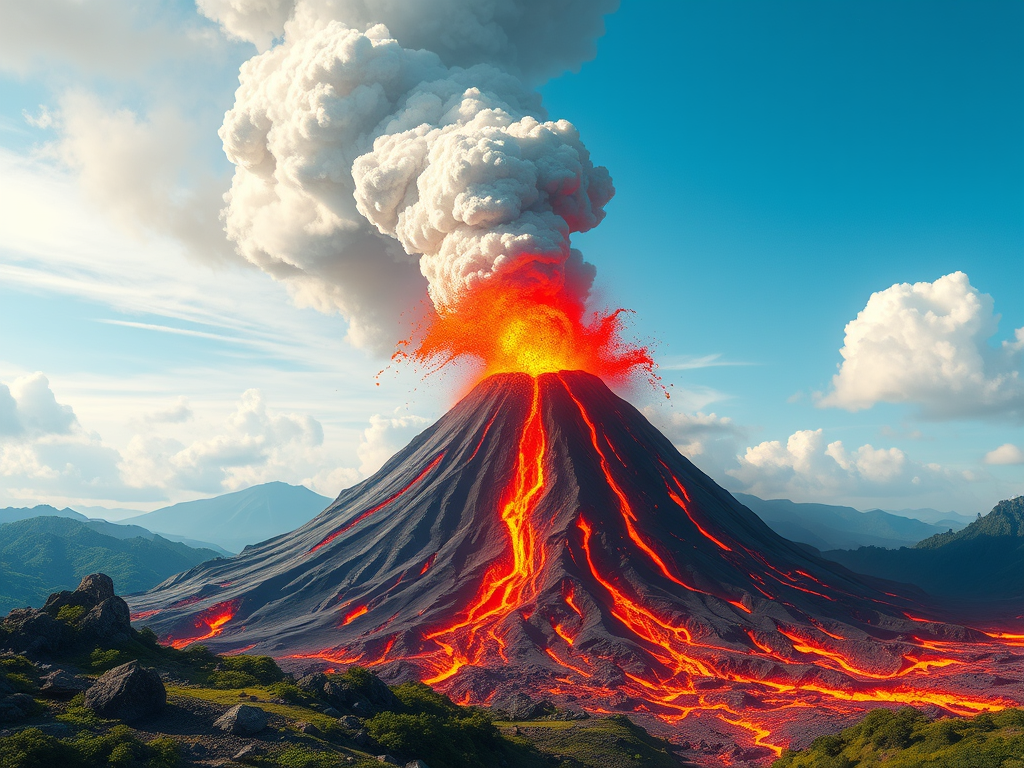
Understanding Volcanoes: Eruption and Structure
🌍 What is a volcano? A volcano is an opening in the Earth where hot melted rock can come out. When a volcano erupts, it releases: Lava (melted rock) 🔥 Ash ☁️ Gases 💨 🔥 What is inside the Earth? Deep inside Earth, it is very hot Rocks melt and…
-
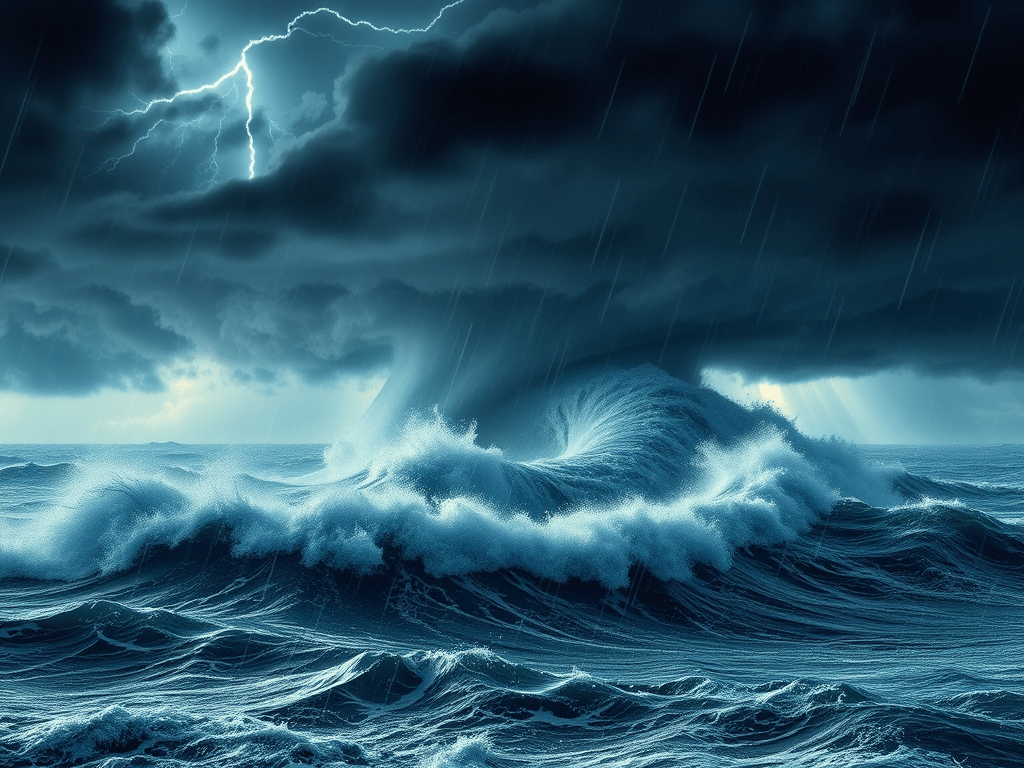
What You Need to Know About Cyclones
🌪️ What Is a Cyclone? 🌧️ What is a cyclone? A cyclone is a big, powerful storm that forms over warm ocean water. It brings: Strong winds 💨 Heavy rain 🌧️ Big waves 🌊 🌊 Where do cyclones form? Cyclones form: Over warm seas Near the equator When ocean water…
-
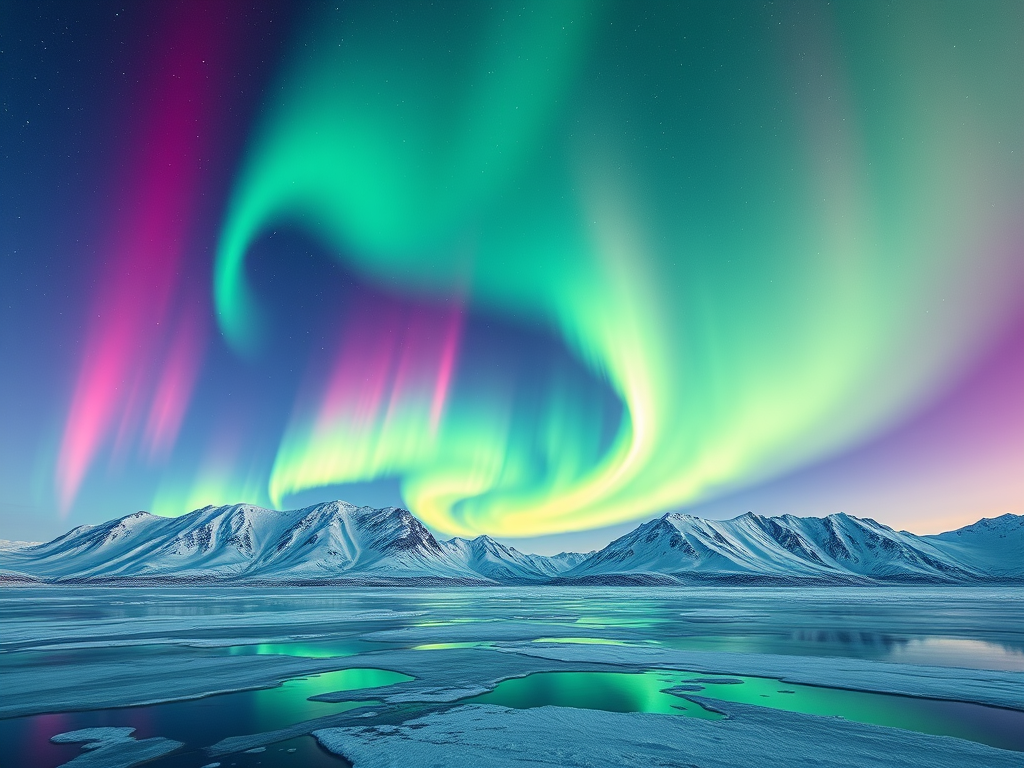
Understanding Auroras: Nature’s Light Show
🌈✨ What Is an Aurora and How Does It Happen? 🌌 What is an Aurora? An aurora is a beautiful natural light show in the sky. Seen mostly near the North and South Poles Looks like dancing lights in green, pink, purple, or red 🌍 Different names Aurora Borealis →…
-
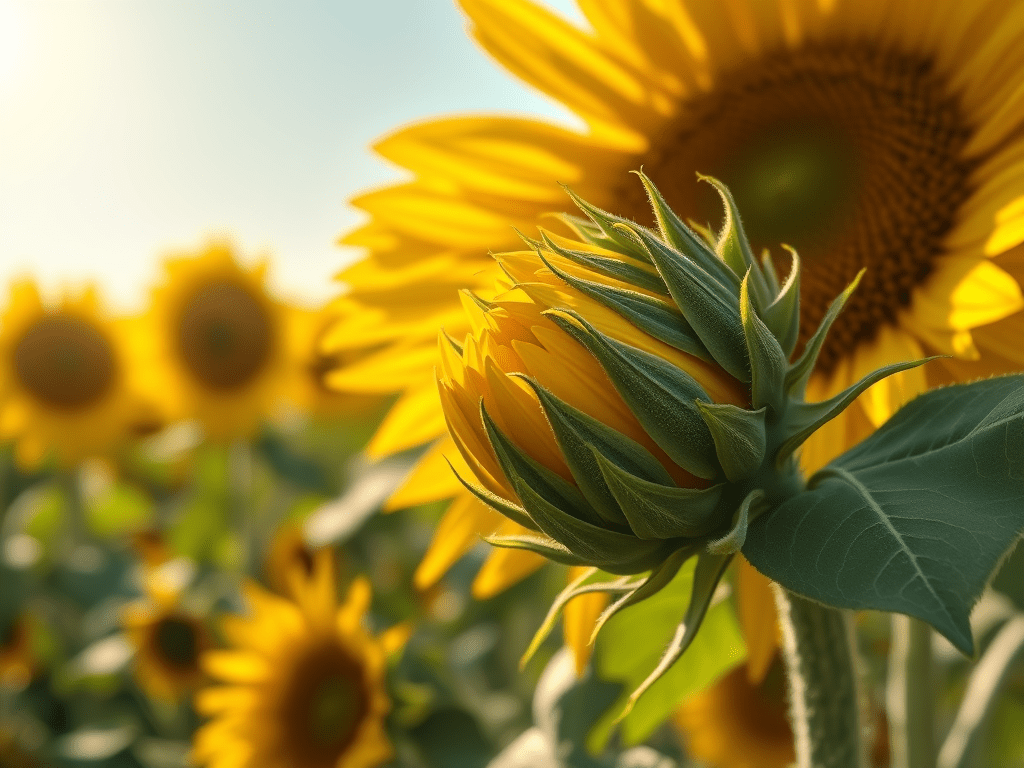
Why Sunflowers Face the Sun
🌻 Why Does a Sunflower Face the Sun? 🌞 What do sunflowers do? Young sunflowers turn their heads to follow the Sun from morning to evening. This movement is called heliotropism(helio = sun, tropism = turning) 🌱 Why do they do this? Sunflowers follow the Sun to: Get more sunlight…
-
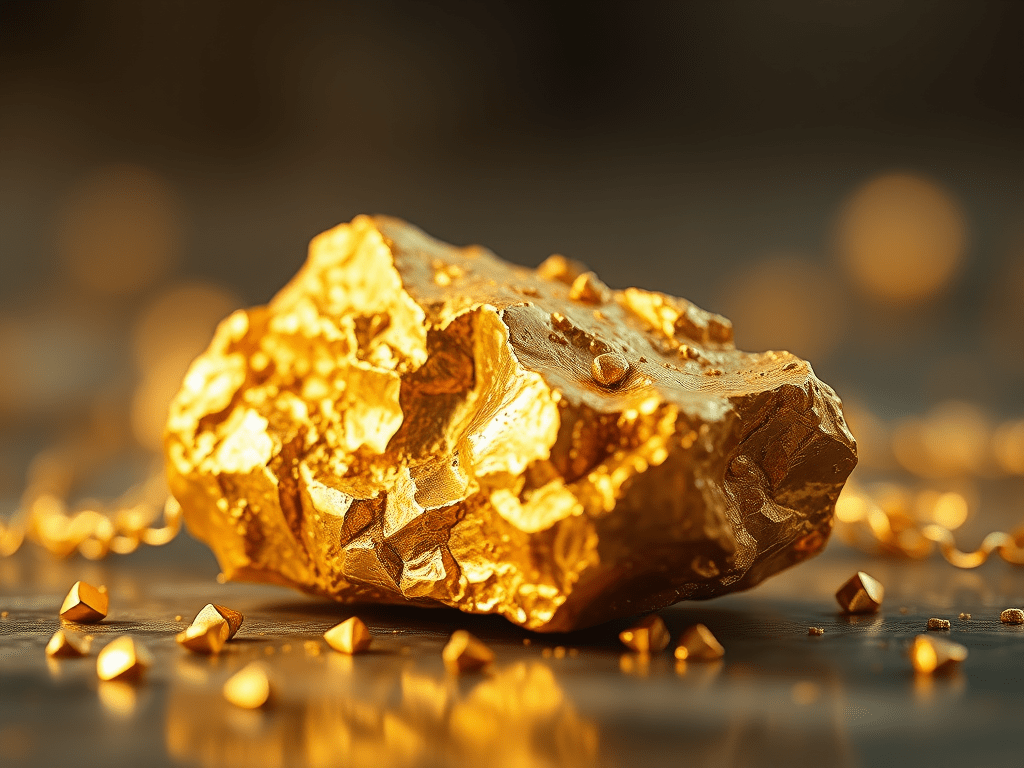
Why Gold is Considered Precious: Top Reasons Explained
💛 Why Is Gold a Precious Metal? ✨ What is gold? Gold is a shiny yellow metal found deep inside the Earth. People have loved gold for thousands of years! 💎 Reasons why gold is precious 1️⃣ Gold is rare Gold is hard to find It is found only in…
-
Understanding Carbon: The Building Block of Life
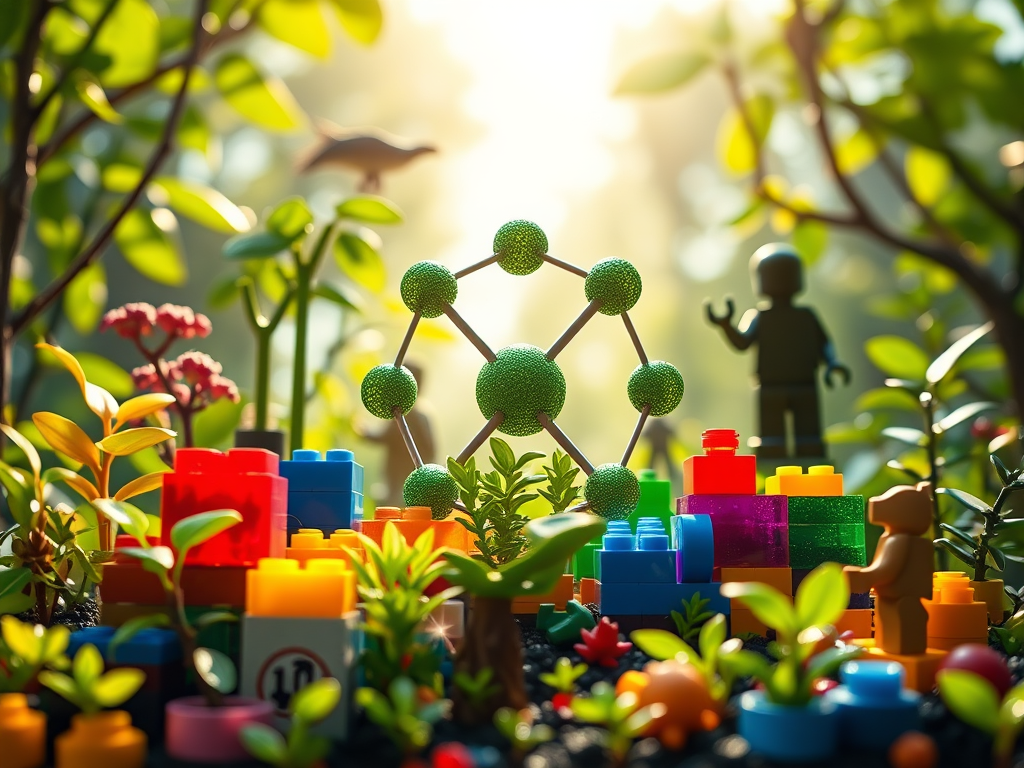
🌱 Carbon – Why It Is Essential for Life (Explained for kids 10+ 😊) 🧪 What is Carbon? Carbon is a very important element (a basic building block of matter). Symbol: C Found in all living things Plants, animals, and humans are all made of carbon 🧠 If something is…
-
The Fascinating Journey of Earth’s Ancient Water
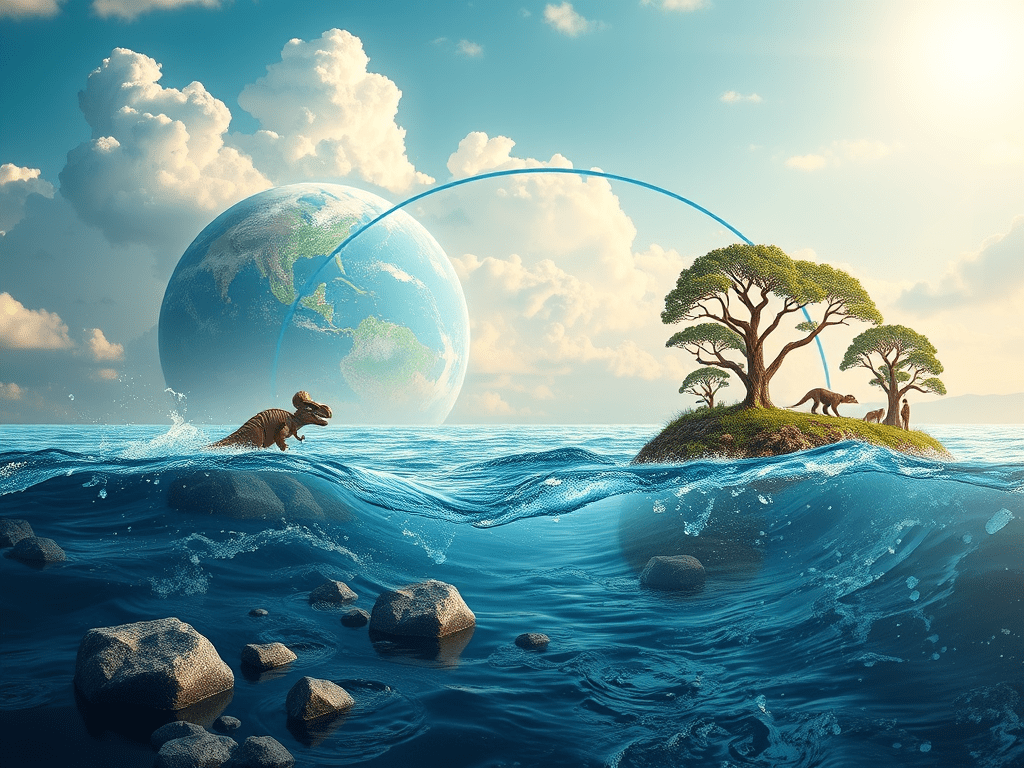
💧 “The water we drink today is very old” — What does this mean? It sounds strange, but it’s true! Let’s understand it step by step 😊 🌍 Water on Earth is ancient The water on Earth has been here for billions of years Scientists believe most of Earth’s water…
-
The Importance of Bees for Our Ecosystem
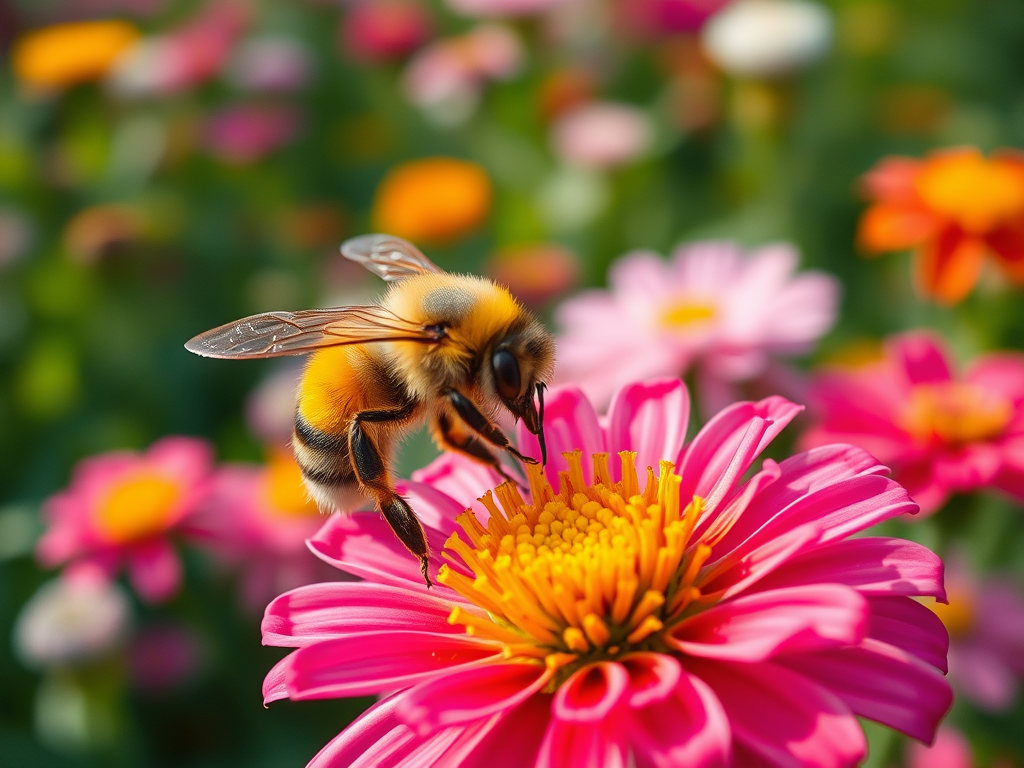
🐝 How Are Bees Special to Earth? 🌼 Bees are nature’s helpers Bees are very special because they help plants grow and food grow. 🌸 1️⃣ Bees help plants make seeds (Pollination) When bees visit flowers, pollen sticks to their bodies. They carry pollen from one flower to another. This…
-
The Science Behind Snowflakes and Snow
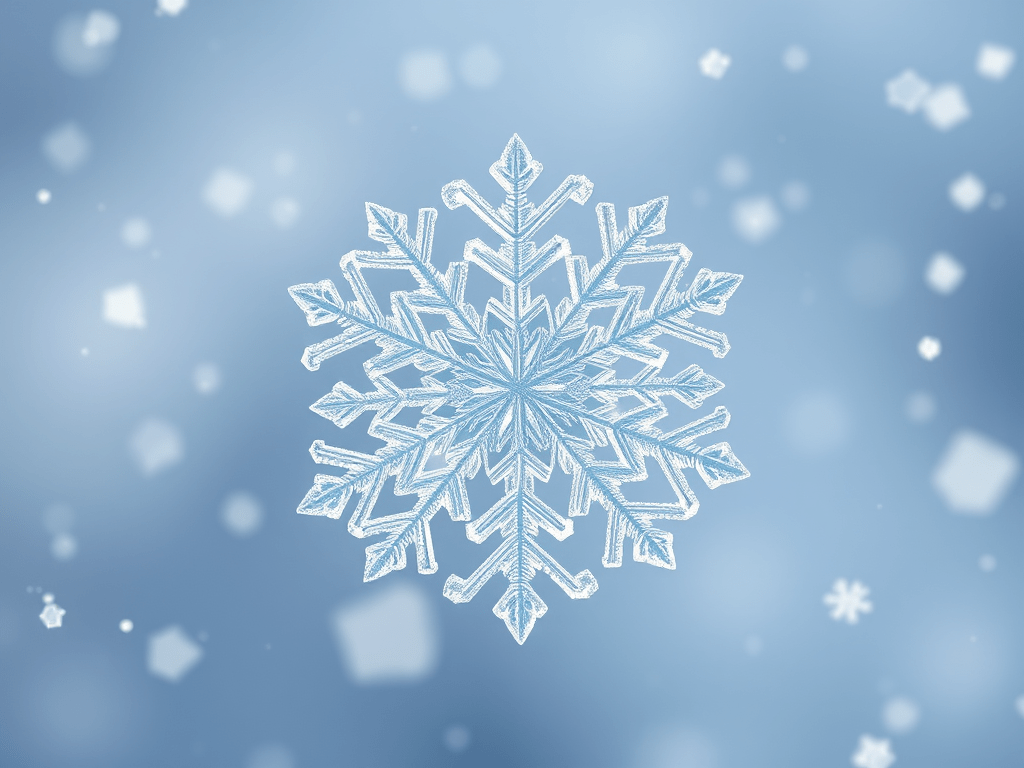
❄️ What is Snow? Snow is frozen water that falls from the sky when the air is very cold. 👉 Snow is made of ice crystals, not raindrops. 🌬️ Step 1: Water goes up into the air Water from rivers, lakes, and oceans evaporates (turns into invisible water vapor) The…

