
Category: Planet Earth
-
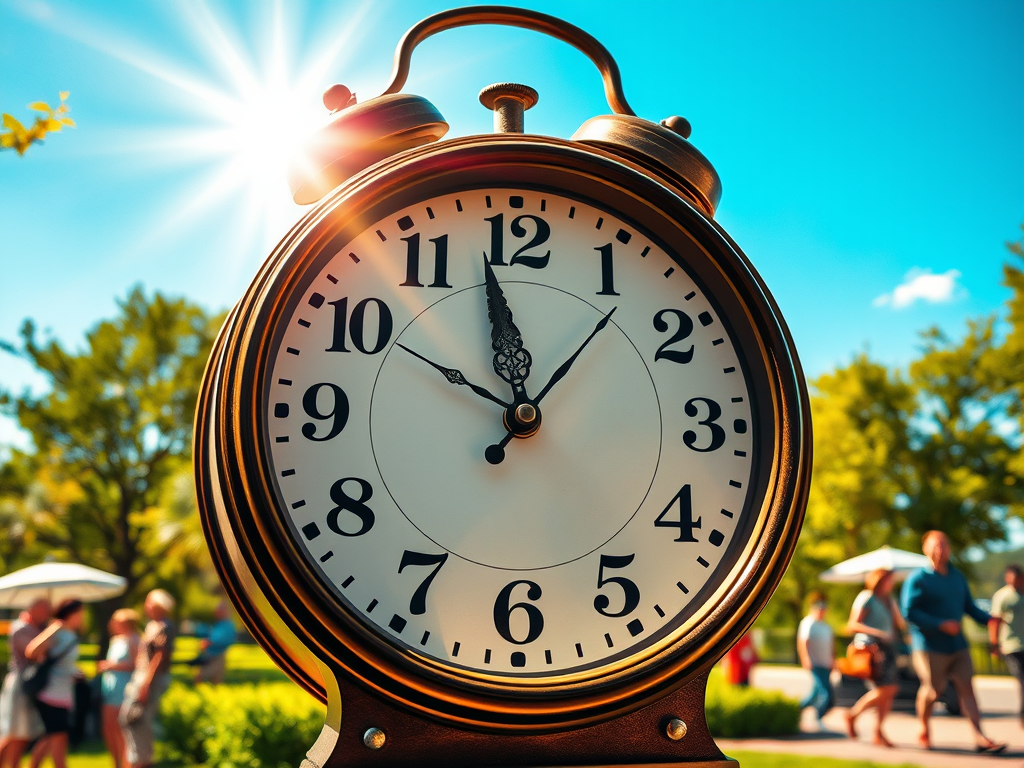
Understanding Daylight Saving Time Explained
⏰ What Is Daylight Saving Time? 🌞 What is Daylight Saving Time? Daylight Saving Time (DST) is when people move their clocks forward by 1 hour in spring and move them back by 1 hour in fall. This helps people use more daylight in the evening. Example: In spring →…
-

Understanding the Size of the Sahara Desert for Kids
🏜️ Why Is the Sahara Desert So Big? (Explained for Kids – Age 10+) The Sahara Desert is the largest hot desert in the world 🌍.It covers a huge part of North Africa! Let’s understand why it is so big in a simple way 👇 ☀️ 1. Very little rain…
-
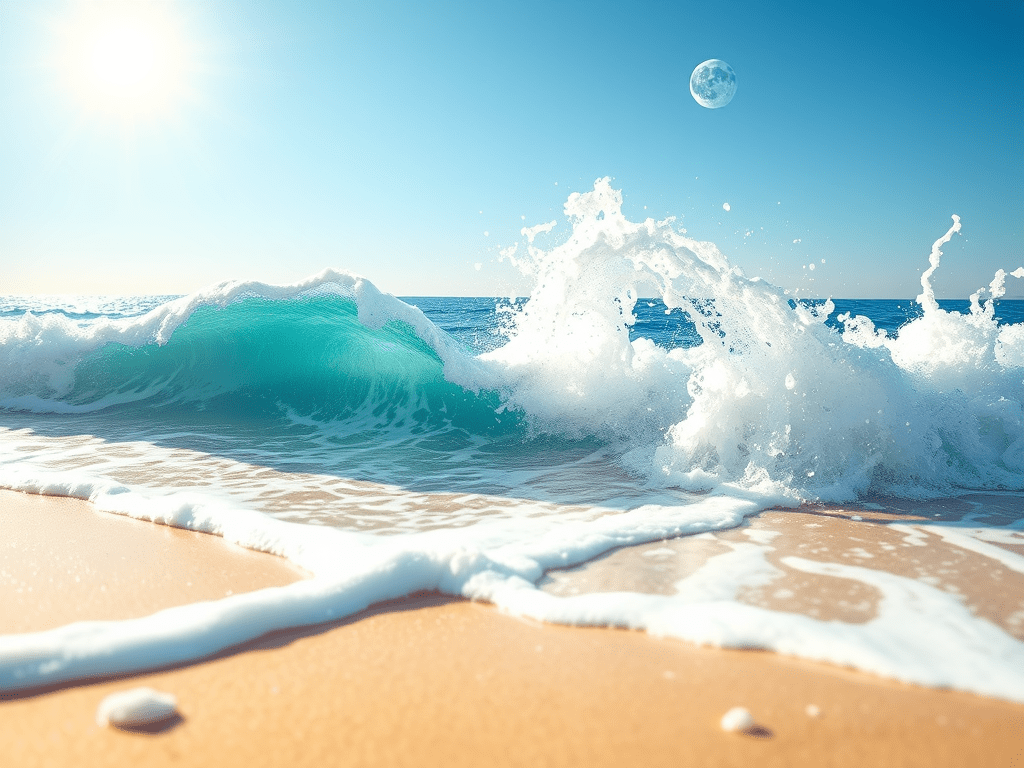
Waves vs Tides: Easy Facts for Kids
🌊 Tides vs Waves 🌊 What are Waves? Waves are the up-and-down movements of water you see at the beach. Why waves happen: Mostly caused by wind blowing over the ocean Stronger wind → bigger waves 🌬️🌊 Wave facts: Waves move energy, not water (the water mostly stays in place)…
-
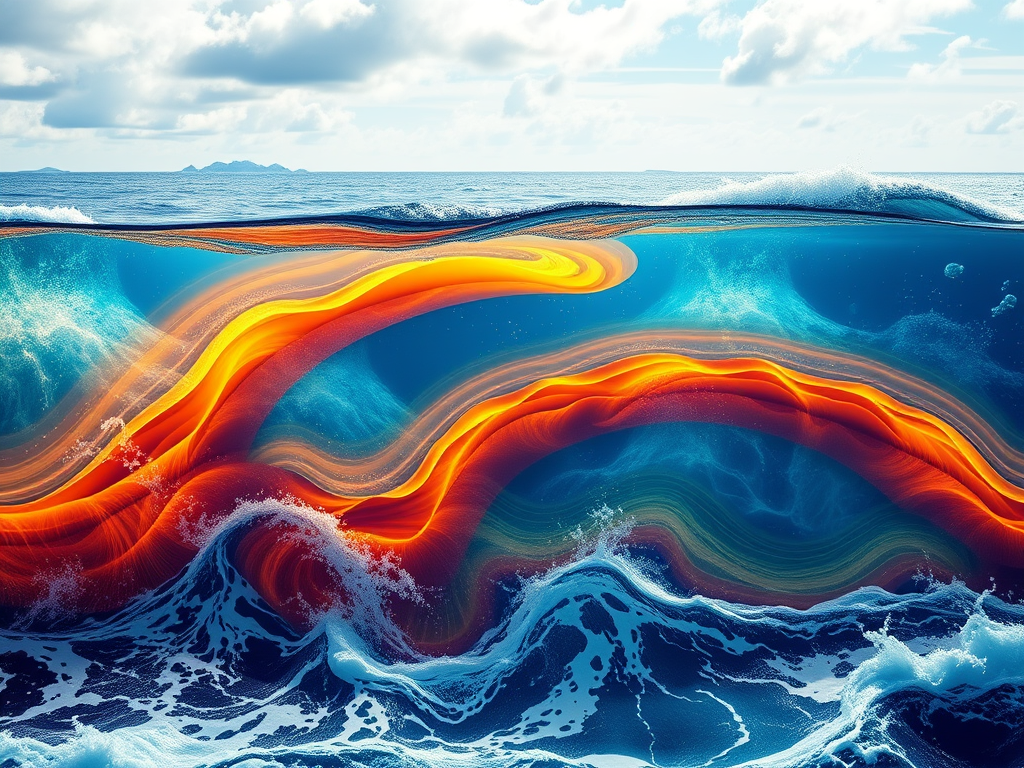
How Ocean Currents Affect Climate and Weather
🌊 What Is an Ocean Current? 🌍 What is an ocean current? An ocean current is like a big river of water moving inside the ocean 🌊➡️It flows in a fixed direction for a long distance. 🤔 Why does ocean water move? Ocean currents move because of: 1️⃣ Wind 💨…
-
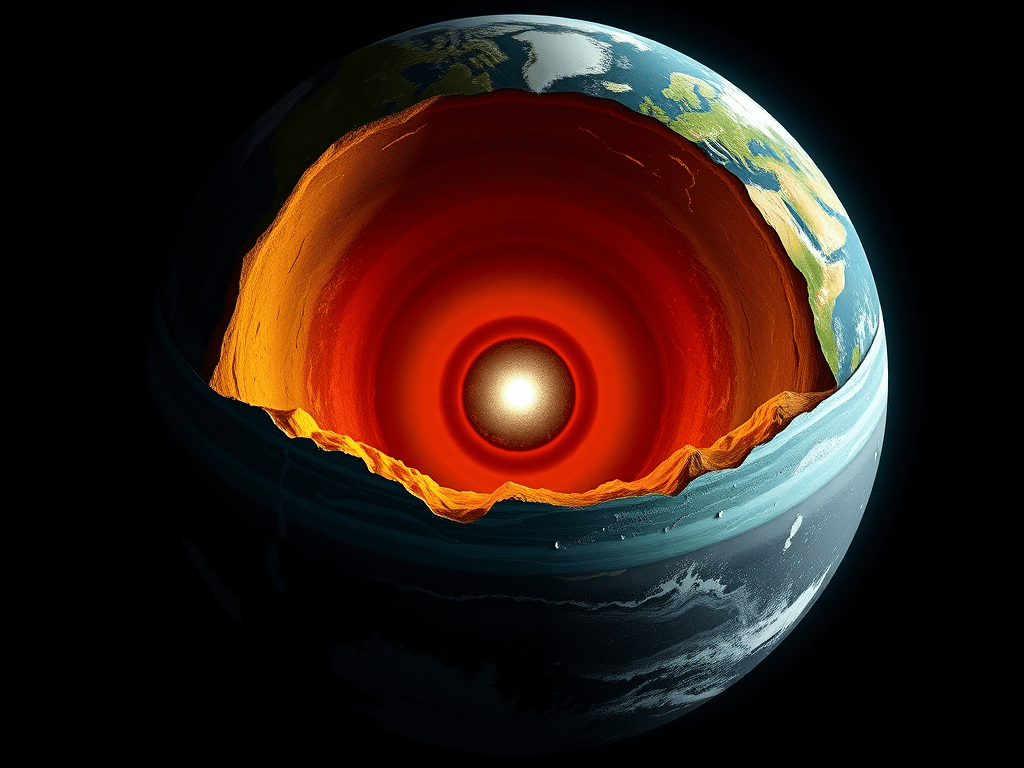
Earth’s Structure: Layers Explained Simply
🌍 Structure of the Earth – Its Layers (Cores) The Earth is made of layers, just like an apple 🍎If we cut the Earth from outside to inside, we see 4 main layers. 🧱 1️⃣ Crust (Outer Layer) The outer skin of the Earth Where we live 🏠🌳 Very thin…
-

Understanding International Time Zones Simplified
🌍 What Is International Time Zone? ⏰ Why do we need time zones? Earth is round 🌍 It takes 24 hours to rotate once When it is day in one place, it is night in another 👉 So, the world is divided into time zones 🕒 What is a time…
-
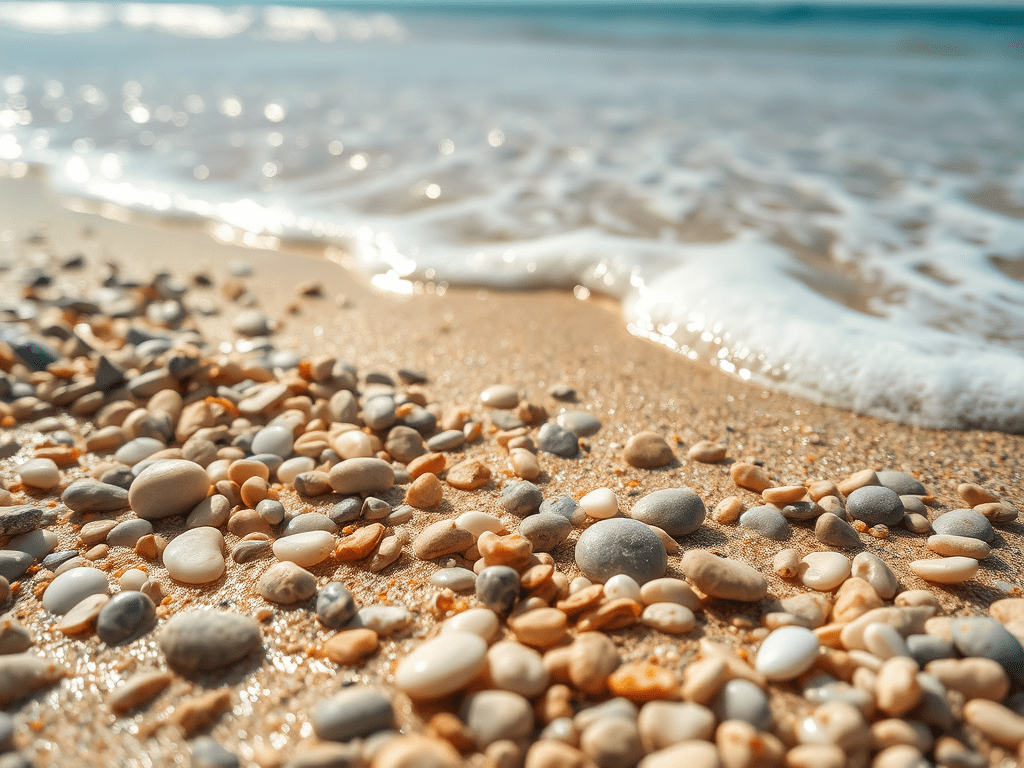
Why Are There Few Stones at the Beach?
🌊 Why Don’t We See Many Stones Around the Sea? 🪨 First, are there stones near the sea? Yes — there are stones, but many of them: Become sand Or get smooth and small, so we don’t notice them 🌊 What happens to stones near the sea? 1️⃣ Waves break…
-

Understanding Lightning: How It Forms and Why
⚡ Why Does Lightning Happen? ☁️ What is lightning? Lightning is a big electric spark in the sky that happens during storms 🌩️. ⚡ How lightning is formed (step by step) 1️⃣ Storm clouds grow Big storm clouds (called cumulonimbus) form Inside them, ice, water drops, and air move fast…
-
Understanding Earth’s Atmosphere: Gases We Breathe
🌍 Gases in Earth’s Air (Atmosphere) What we breathe & their percentages – for kids (8–10+) When we breathe, we are breathing air, which is a mixture of gases. 🌬️ Main gases in the air 🟦 1️⃣ Nitrogen (N₂) – 78% The largest part of air Helps plants grow 🌱…
-

The Origins of Earth’s Water Explained
🌊 Where did the water on Earth come from? Earth’s water came from two main sources over a very long time. 🌋 1️⃣ Water from inside the Earth Long ago, when Earth was very hot: Volcanoes erupted often 🌋 Hot gases came out of the Earth One of these gases…
-

What Makes Clouds Dark Before Rain?
Here’s a simple, kid-friendly science explanation of why clouds look black before rain, perfect for kids 8–10+ ☁️🌧️ ☁️ Why do clouds look black before rain? Clouds look dark or black before rain because they become thick and full of water. 🌞 Clouds and sunlight (easy idea) Sunlight is bright…
-

Understanding Pangaea: The Supercontinent Explained
🌍 What is Pangaea? Pangaea was a supercontinent. 👉 A supercontinent means all the continents were joined together as one huge land. Pangaea existed millions of years ago. ⏳ When did Pangaea exist? About 300 million years ago, Earth had one big continent Around 200 million years ago, it started…

