-
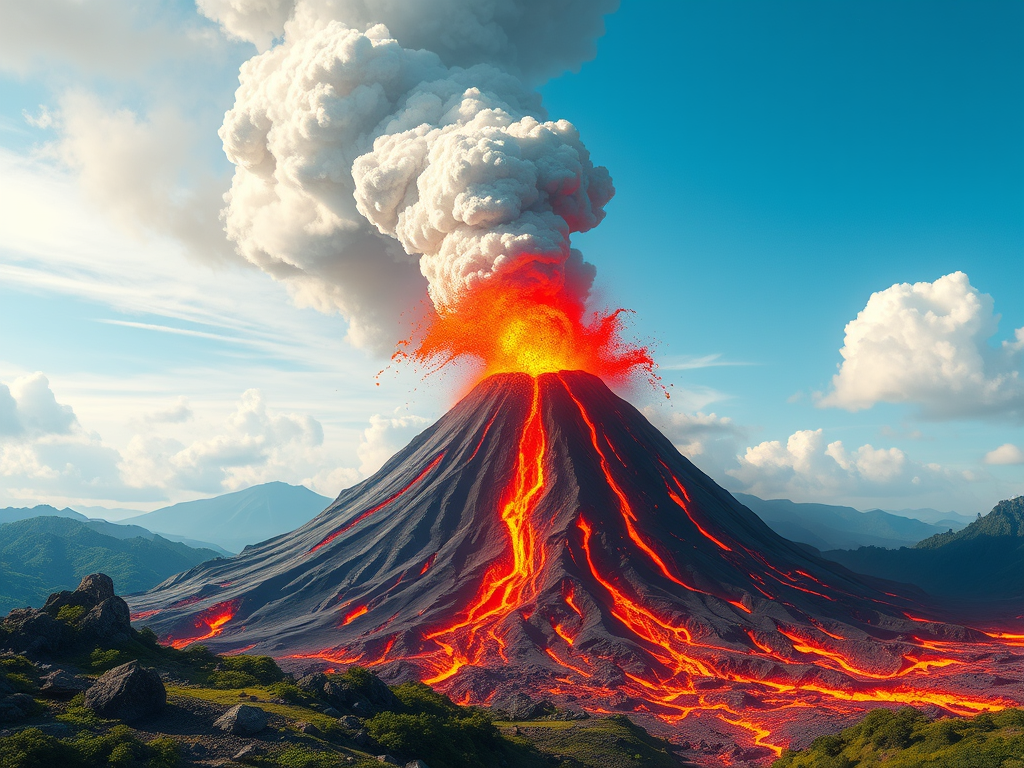
Understanding Volcanoes: Eruption and Structure
🌍 What is a volcano? A volcano is an opening in the Earth where hot melted rock can come out. When a volcano erupts, it releases: Lava (melted rock) 🔥 Ash ☁️ Gases 💨 🔥 What is inside the Earth? Deep inside Earth, it is very hot Rocks melt and…
-

Why Do Apples Float? Exploring the Science
🍎 Does an Apple Float on Water? 🧪 What happens? Put an apple in water 💧👉 The apple floats 🍎⬆️ 🤔 Why does the apple float? 🌬️ Apples have air inside Apples have tiny air pockets inside them These air pockets make the apple lighter ⚖️ Density (easy meaning) Density…
-

Understanding AC and Refrigerators: Heat Movers Explained
❄️ How Does an AC or Refrigerator Work? 🧊 Big idea first An AC (Air Conditioner) and a Refrigerator do the same job: 👉 They move heat from inside to outsideThey don’t make cold — they remove heat! 🧠 Easy way to imagine Cold is not addedHeat is taken away…
-
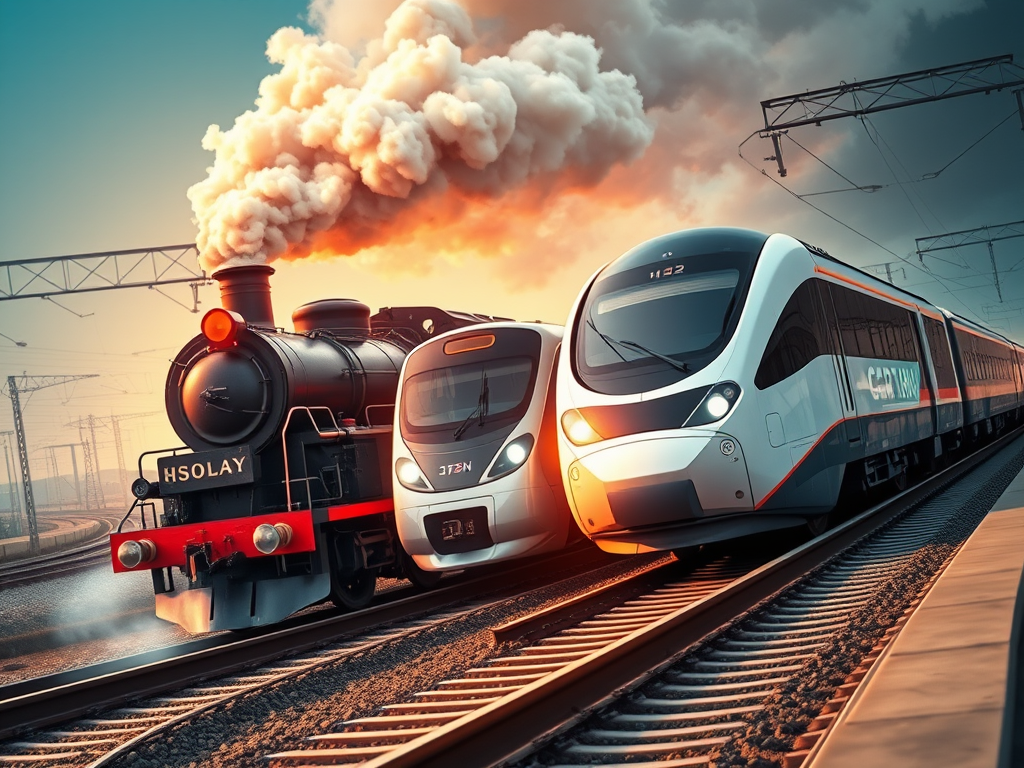
The Evolution of Rail Transport: From Steam to High-Speed
🚆 History of Rail Transport 🛤️ What is rail transport? Rail transport means trains running on tracks to carry people and goods from one place to another. 🗿 1. Early beginnings (Before trains) Long ago, people used wooden rails in mines Carts with wheels rolled more easily on rails Pulled…
-
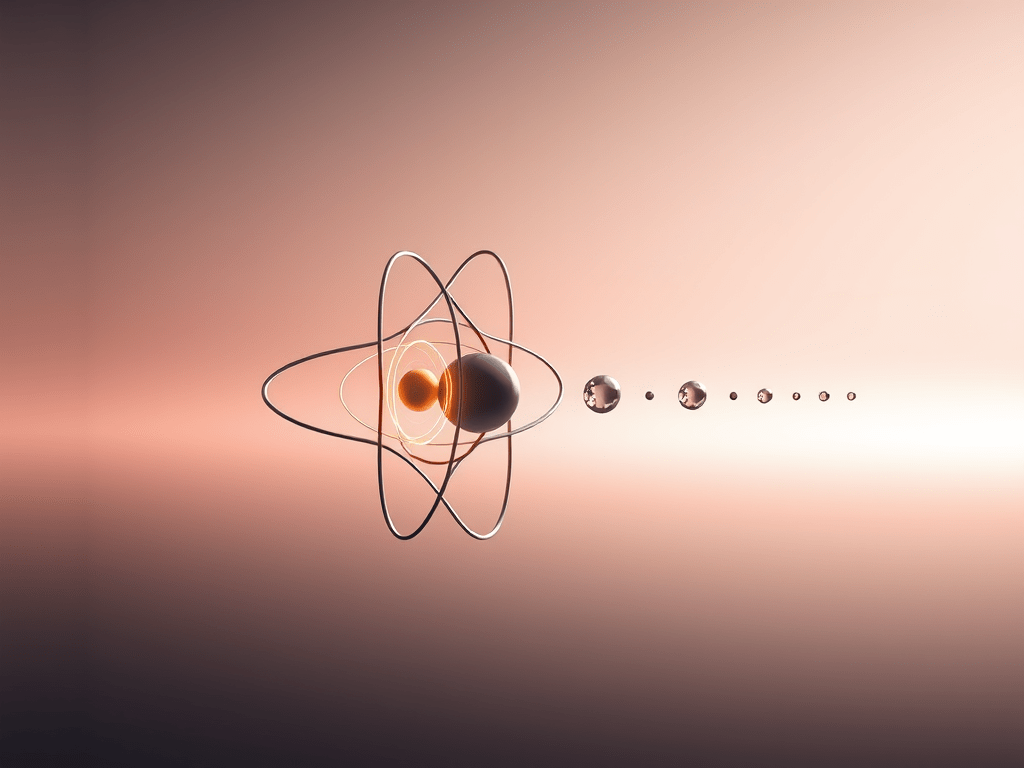
Planck Length Explained: Its Significance in Physics
📏 What Is the Planck Length? 🤔 What is Planck length? The Planck length is the smallest length scientists can talk about in physics. It is super, super tiny Much smaller than an atom ⚛️ Even smaller than parts inside an atom 🧠 It’s like the smallest “pixel” of space!…
-
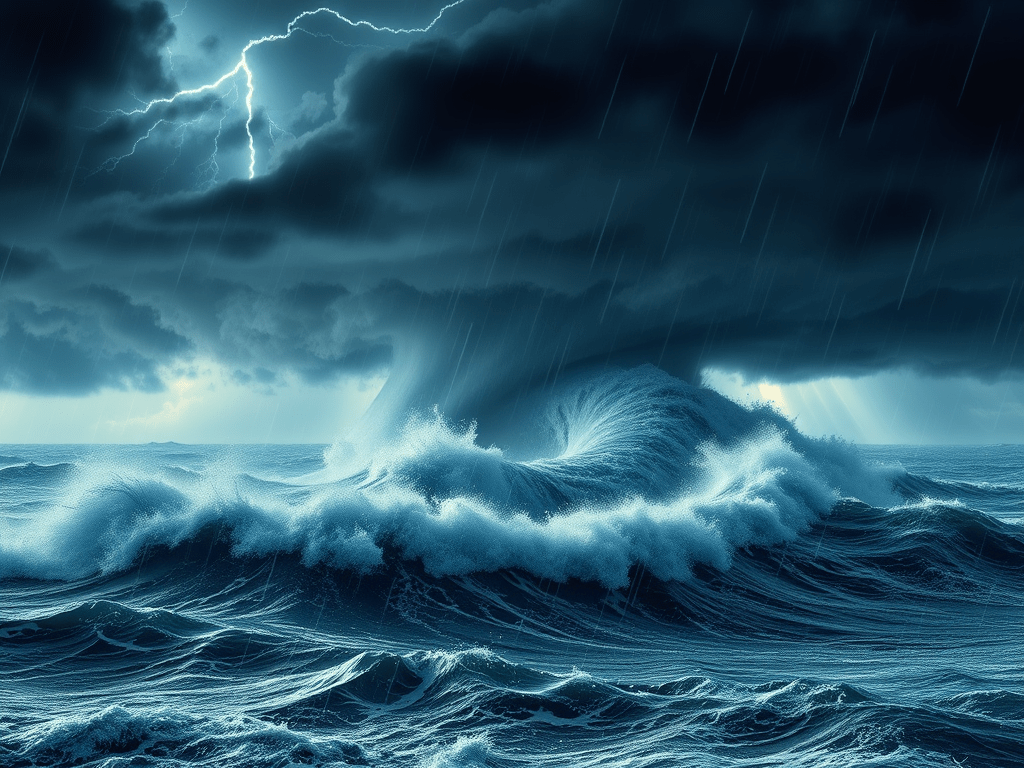
What You Need to Know About Cyclones
🌪️ What Is a Cyclone? 🌧️ What is a cyclone? A cyclone is a big, powerful storm that forms over warm ocean water. It brings: Strong winds 💨 Heavy rain 🌧️ Big waves 🌊 🌊 Where do cyclones form? Cyclones form: Over warm seas Near the equator When ocean water…
-
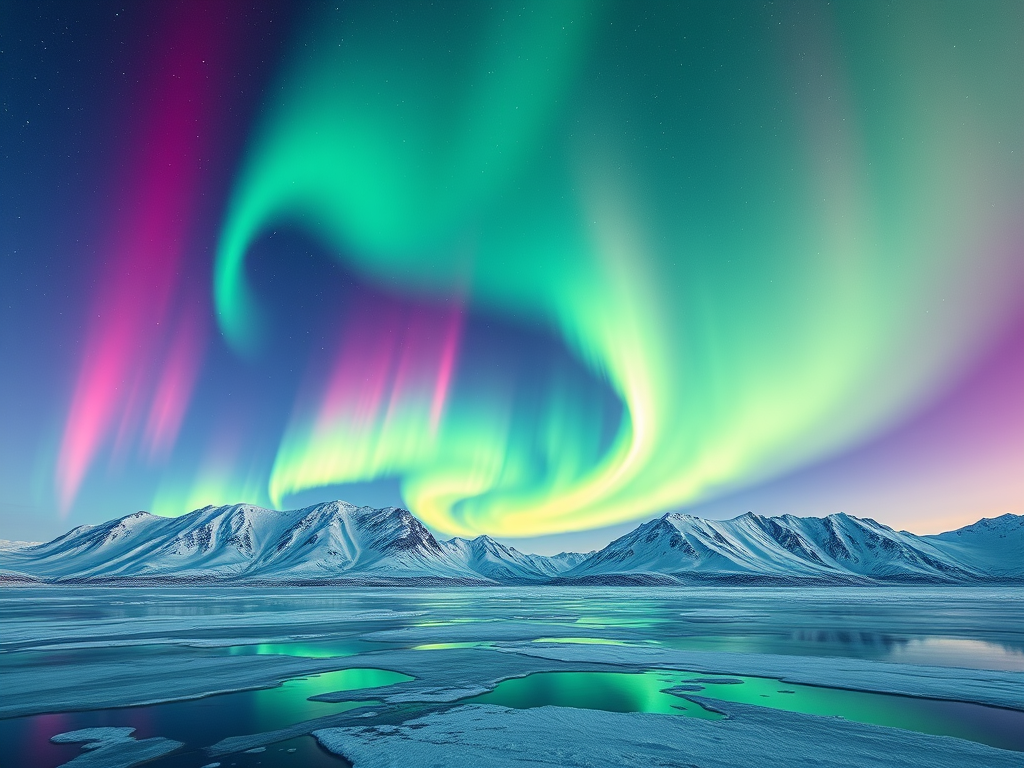
Understanding Auroras: Nature’s Light Show
🌈✨ What Is an Aurora and How Does It Happen? 🌌 What is an Aurora? An aurora is a beautiful natural light show in the sky. Seen mostly near the North and South Poles Looks like dancing lights in green, pink, purple, or red 🌍 Different names Aurora Borealis →…
-

Understanding Black Holes
🕳️ What Is a Black Hole? 🌌 What is a black hole? A black hole is a place in space where gravity is super strong. It pulls everything toward it Even light cannot escape That’s why it looks black ⭐ How is a black hole formed? 1️⃣ A very big…
-
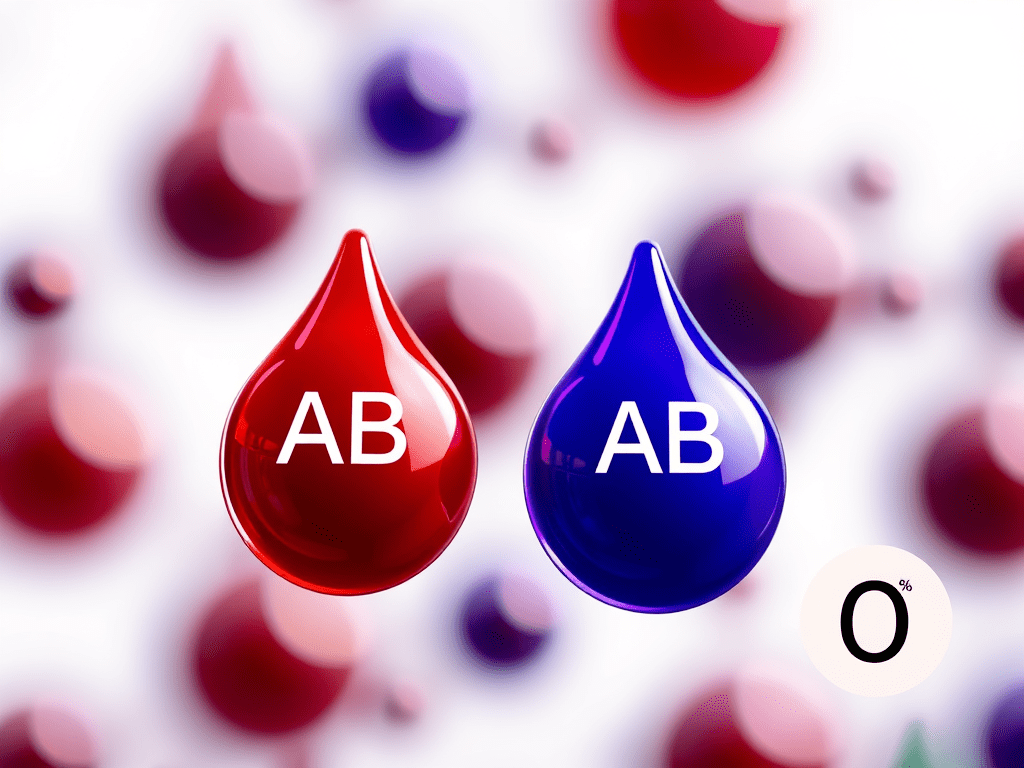
Understanding Blood Groups: A Simple Guide
🩸 Human Blood Groups – Simple Explanation Our blood is not all the same. People have different blood groups, like different teams! Doctors need to know your blood group to give safe blood during an operation or emergency. 🧪 Main Blood Groups (ABO System) There are 4 main blood groups:…
-
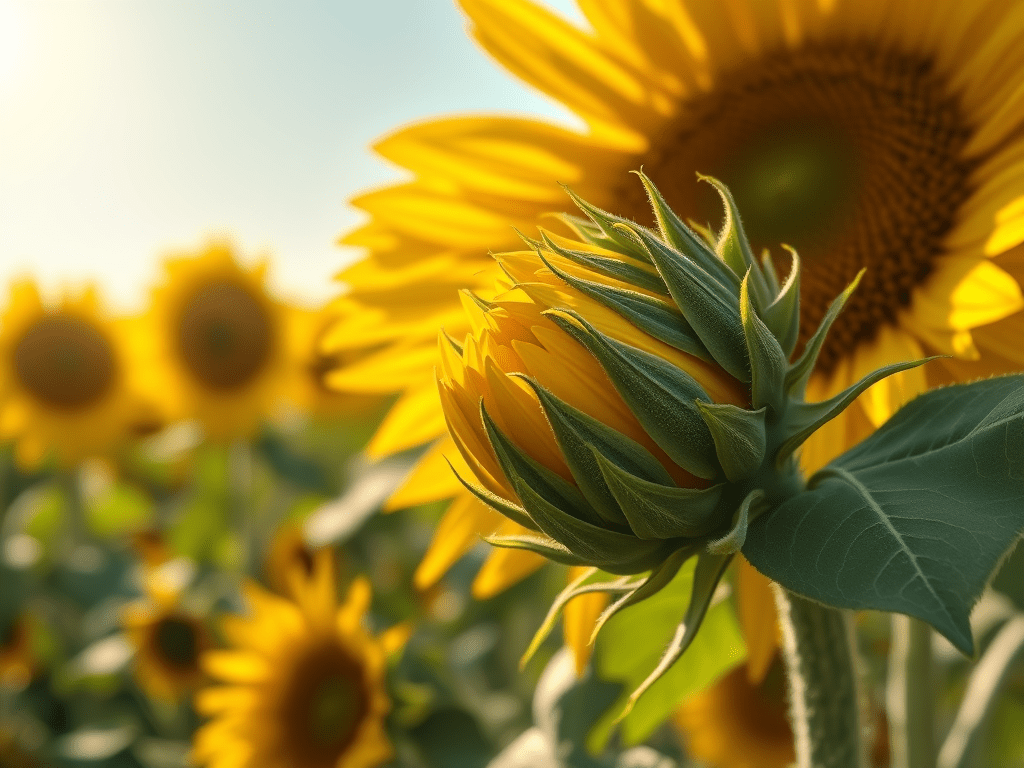
Why Sunflowers Face the Sun
🌻 Why Does a Sunflower Face the Sun? 🌞 What do sunflowers do? Young sunflowers turn their heads to follow the Sun from morning to evening. This movement is called heliotropism(helio = sun, tropism = turning) 🌱 Why do they do this? Sunflowers follow the Sun to: Get more sunlight…
-

How Eratosthenes Measured Earth’s Circumference Without Tools
🌍 Who Calculated the Earth’s Circumference — and How? 🧠 Who did it? The first person to calculate the Earth’s circumference was Eratosthenes👨🏫 He was a Greek scientist who lived more than 2,200 years ago (around 240 BCE). 📏 What is Earth’s circumference? The circumference is the distance all the…
-

Understanding DNA: The Blueprint of Life
🧬 What Is DNA? 🧠 What is DNA? DNA is like an instruction book inside your body. It tells your body how to grow Eye color 👀 Hair type 💇 Height 📏 Every living thing has DNA! 📍 Where is DNA found? DNA is inside almost every cell in your…